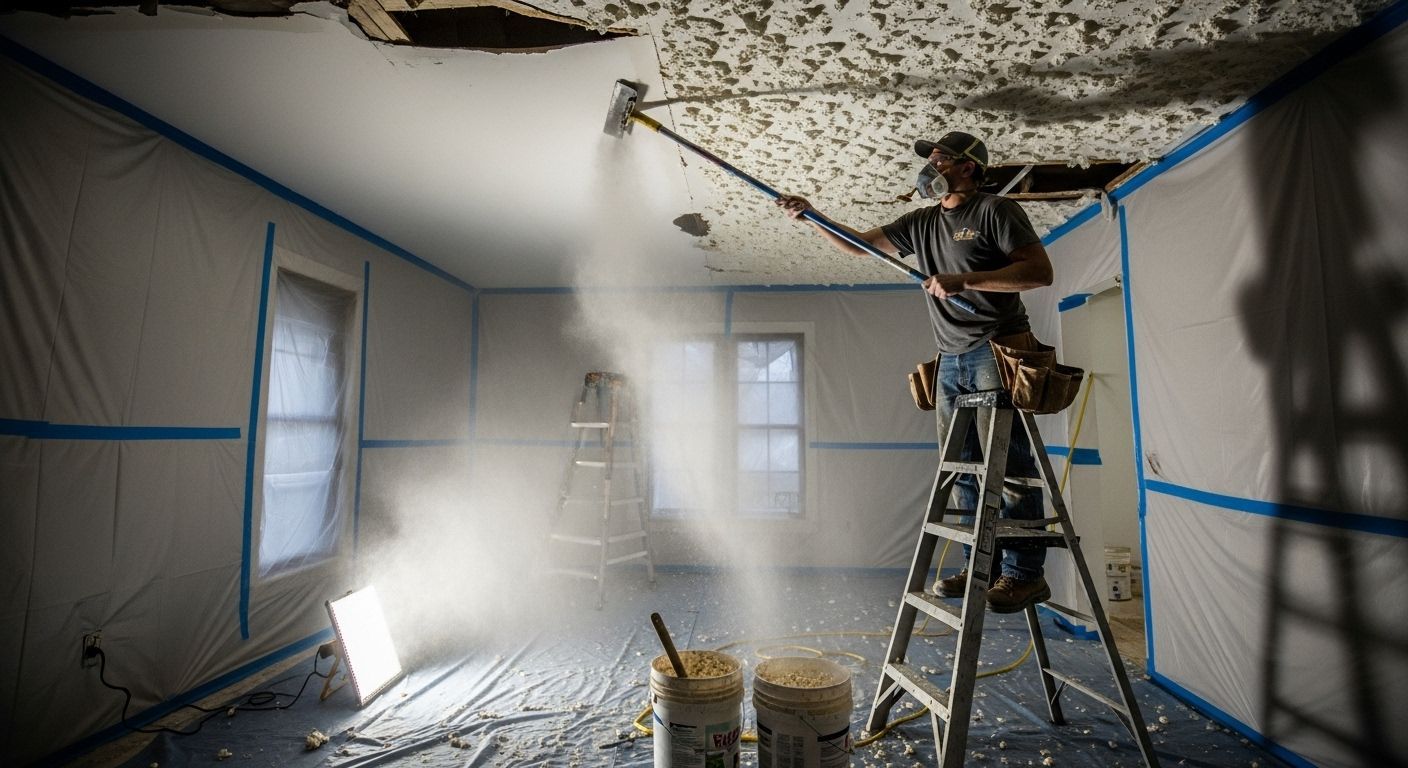
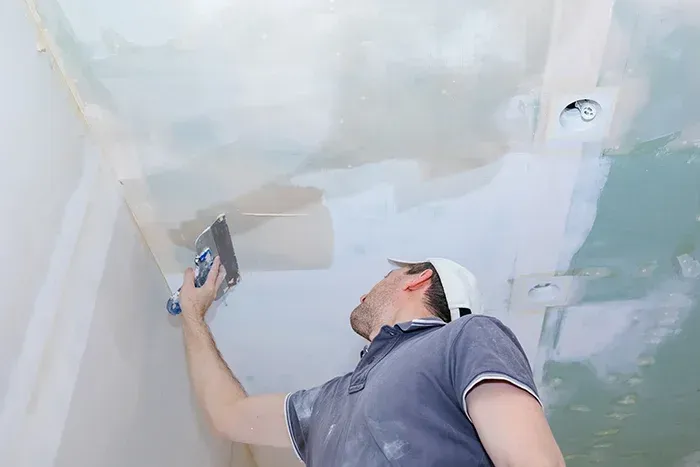
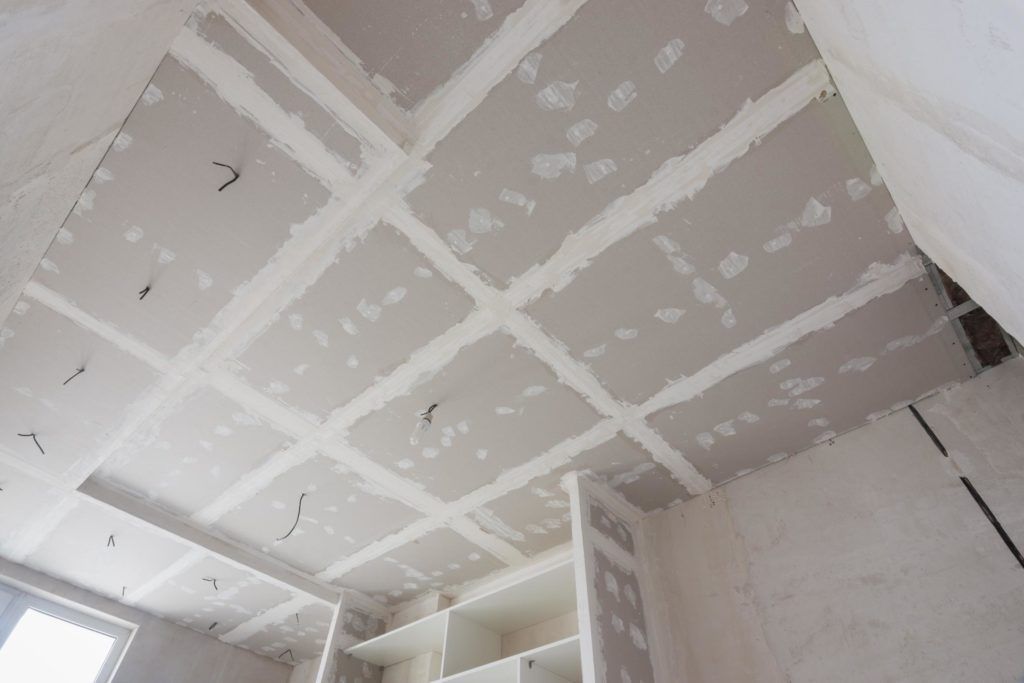
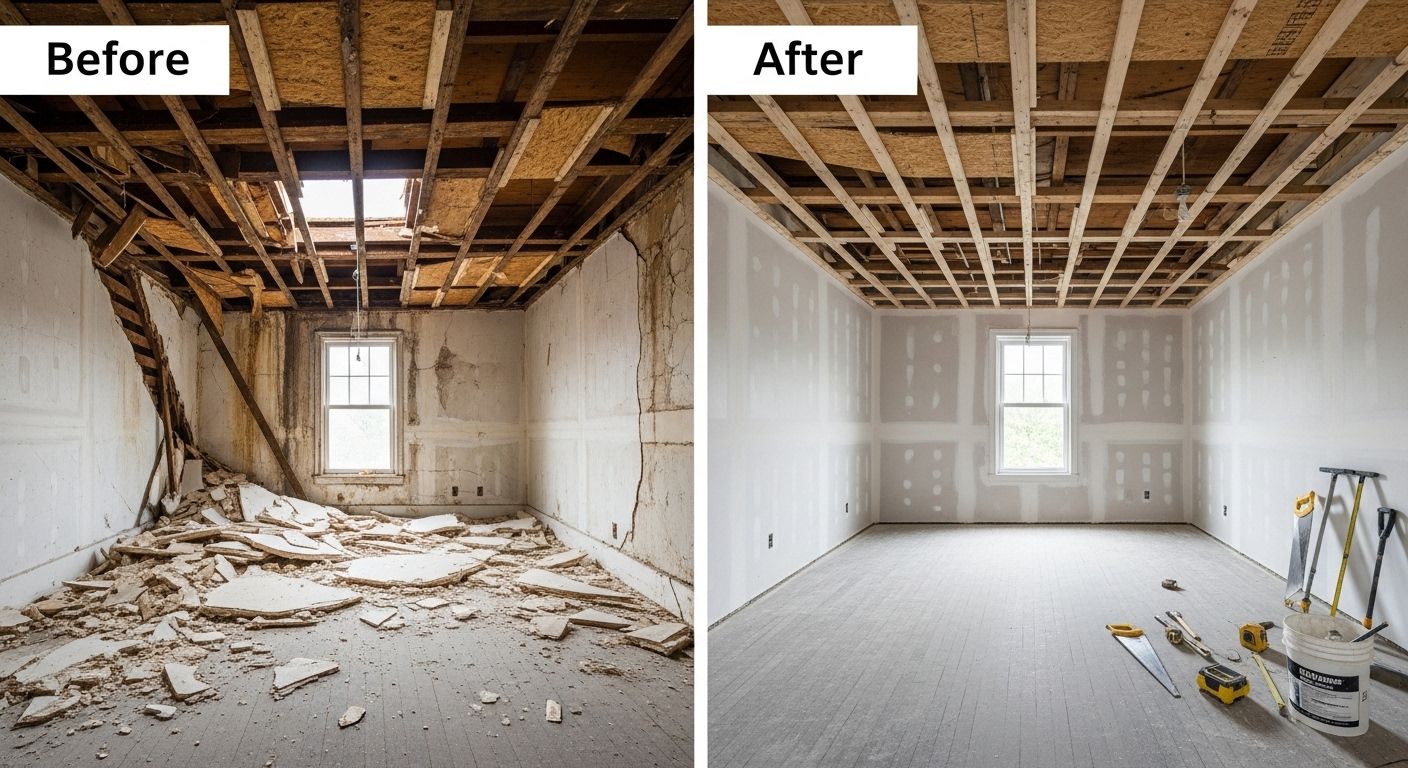
The cost to add one is also worth putting in context. If you're retrofitting an existing flat ceiling — opening up the roof structure, dealing with HVAC rerouting, new insulation, new drywall — you're typically looking at a significant construction project. Estimates in many markets run from $18,000 to $30,000 or more depending on the space and complexity, and the general rule of thumb from contractors who do this work is that homeowners recoup around 50% of that investment at resale. That's not a bad return on a renovation, but it's also not the kind of upgrade that pays for itself dollar for dollar.
There are also ongoing costs that buyers increasingly factor in. A vaulted ceiling means a much larger volume of air to heat and cool, and in climates with brutal winters or blazing summers, that translates to higher utility bills every single month. Savvy buyers who ask about energy costs will notice. In warmer climates where cooling matters more than heating, vaulted ceilings actually perform reasonably well because hot air rises and stays up near the ceiling rather than sitting at head level — but in cold climates, the opposite is true and heating costs can climb noticeably.
The other side of the coin — and this is something people don't talk about enough — is that not every buyer actually wants a vaulted ceiling. Some buyers actively prefer the coziness of a flat ceiling, especially in bedrooms. A dramatic two-story vaulted living room photographs beautifully and creates a strong first impression, but it's dead space that doesn't add to your home's official square footage calculation. You sacrificed what could have been a functional room or storage above to create that volume, and some practical-minded buyers will notice that trade-off.
When weighing the vaulted ceiling vs flat ceiling resale value question, the homes that benefit most from vaulted ceilings tend to share a few things in common: they're in markets where buyers are comparing against other higher-end properties, they're architectural styles where the feature fits naturally — craftsman, contemporary, mid-century modern — and they already have the natural light and open floor plan that makes high ceilings feel intentional rather than just dramatic for drama's sake.
If you love the look and plan to stay in your home for several years before selling, vaulted ceilings are genuinely worth considering. If your sole motivation is maximizing resale value, your money will almost certainly go further in the kitchen or primary bathroom. Those upgrades appeal to virtually every buyer. A vaulted ceiling appeals to most buyers — but not all of them, and in the wrong market, that distinction matters.