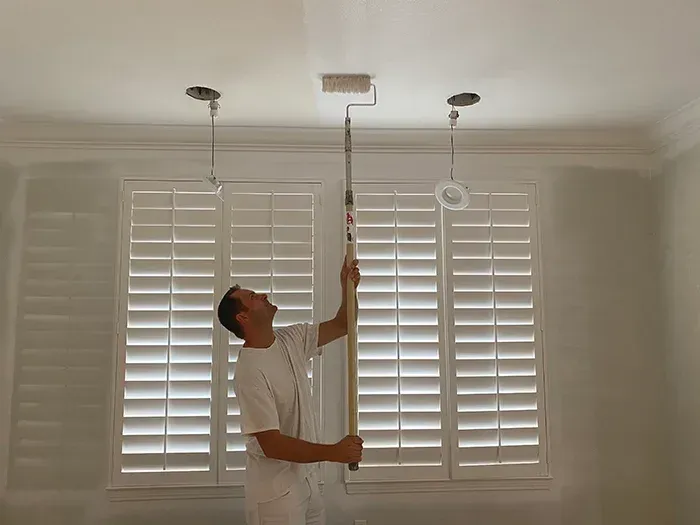
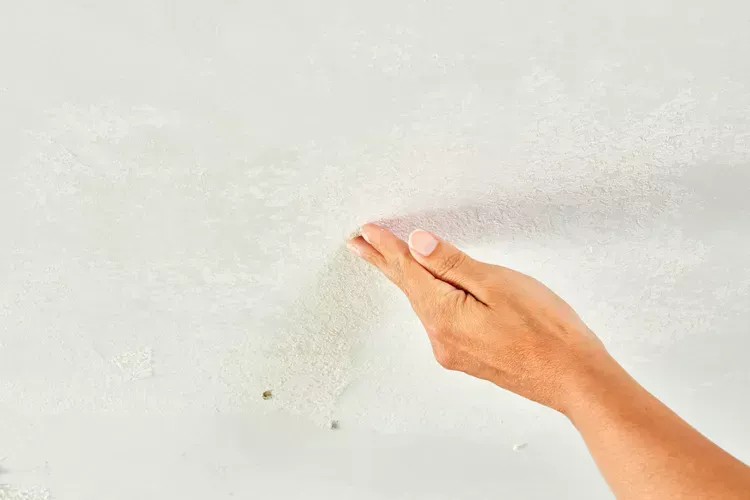
The situations where a smooth skim coat ceiling finish makes the most sense
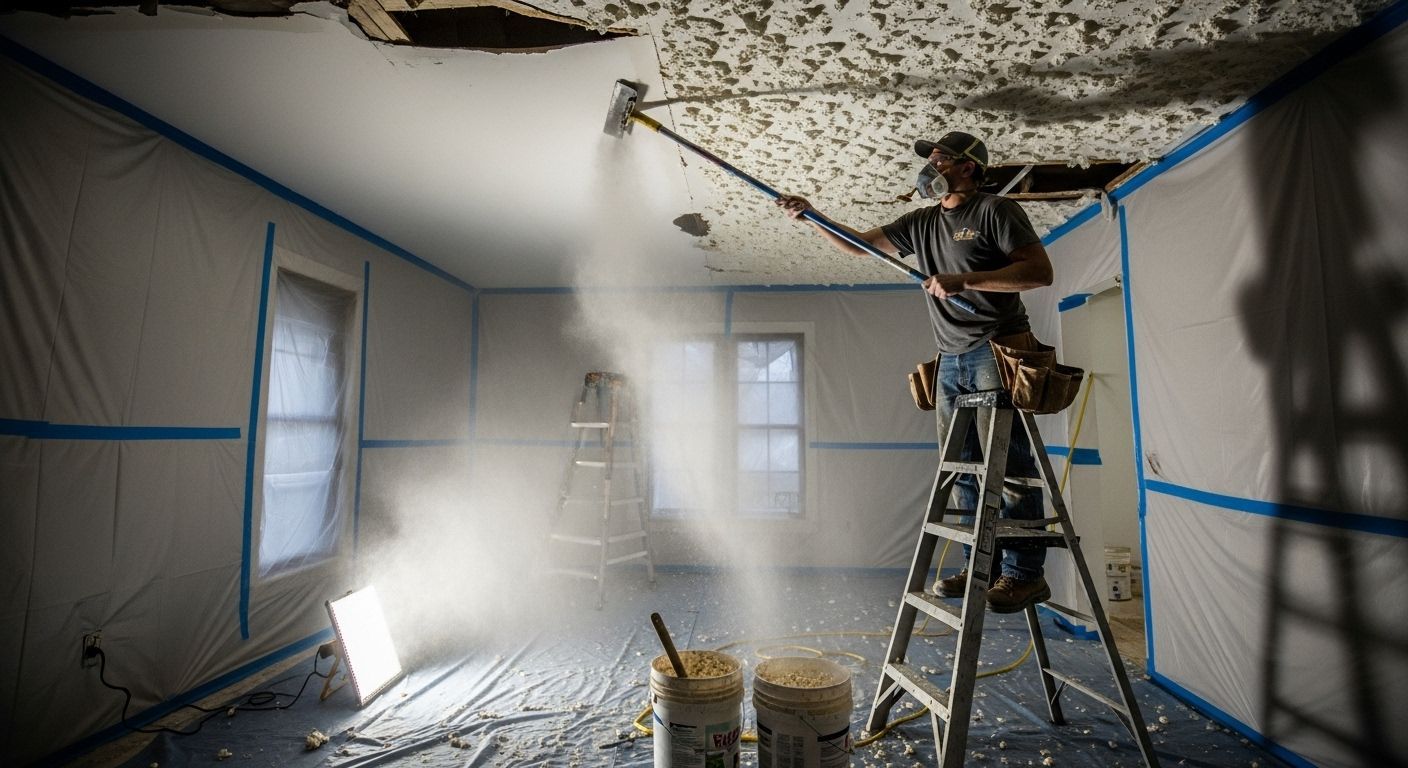
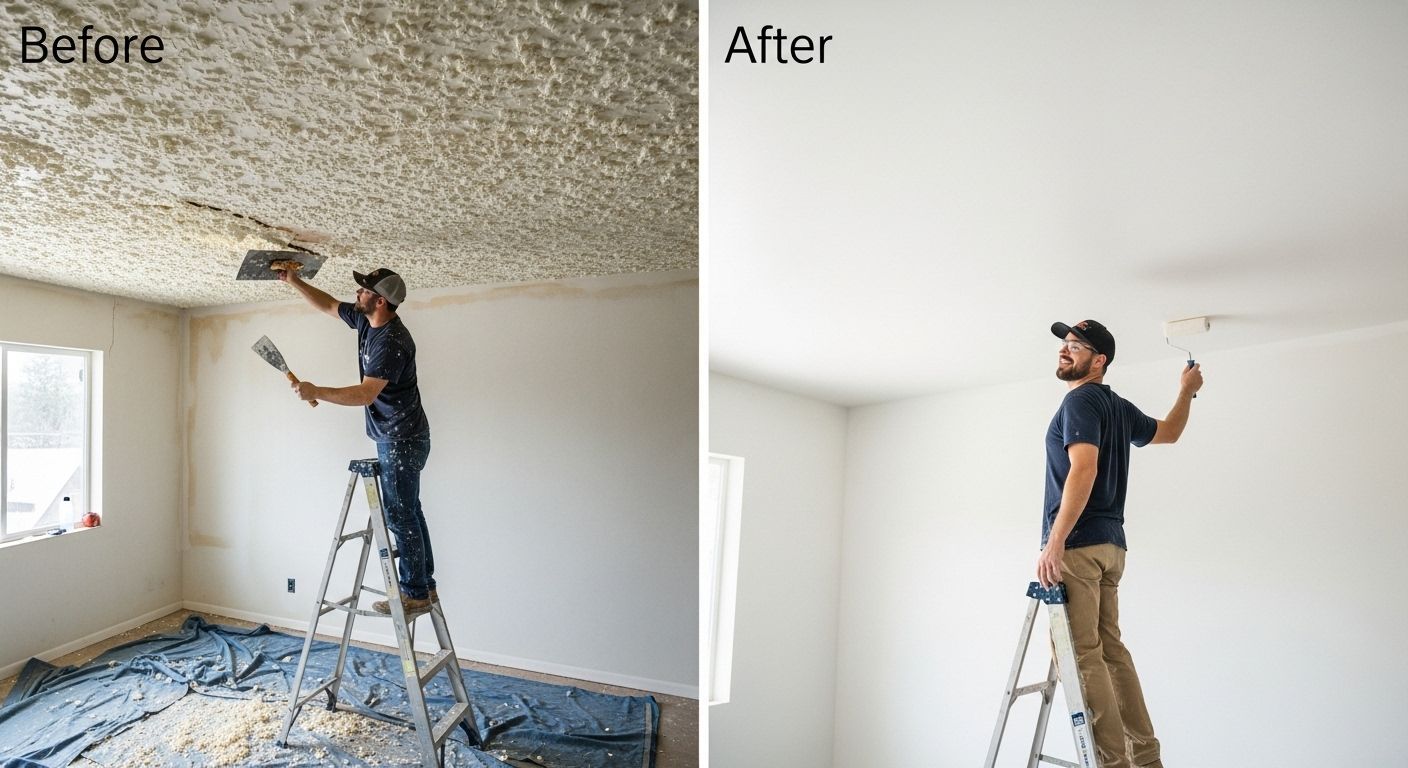
Popcorn removal is the most common trigger. Once you scrape off acoustic texture — a whole project in itself — you're left with a ceiling that looks rough, uneven, and often stained or damaged in spots. You can't just paint that. A skim coat levels the surface and gives you something worth painting.
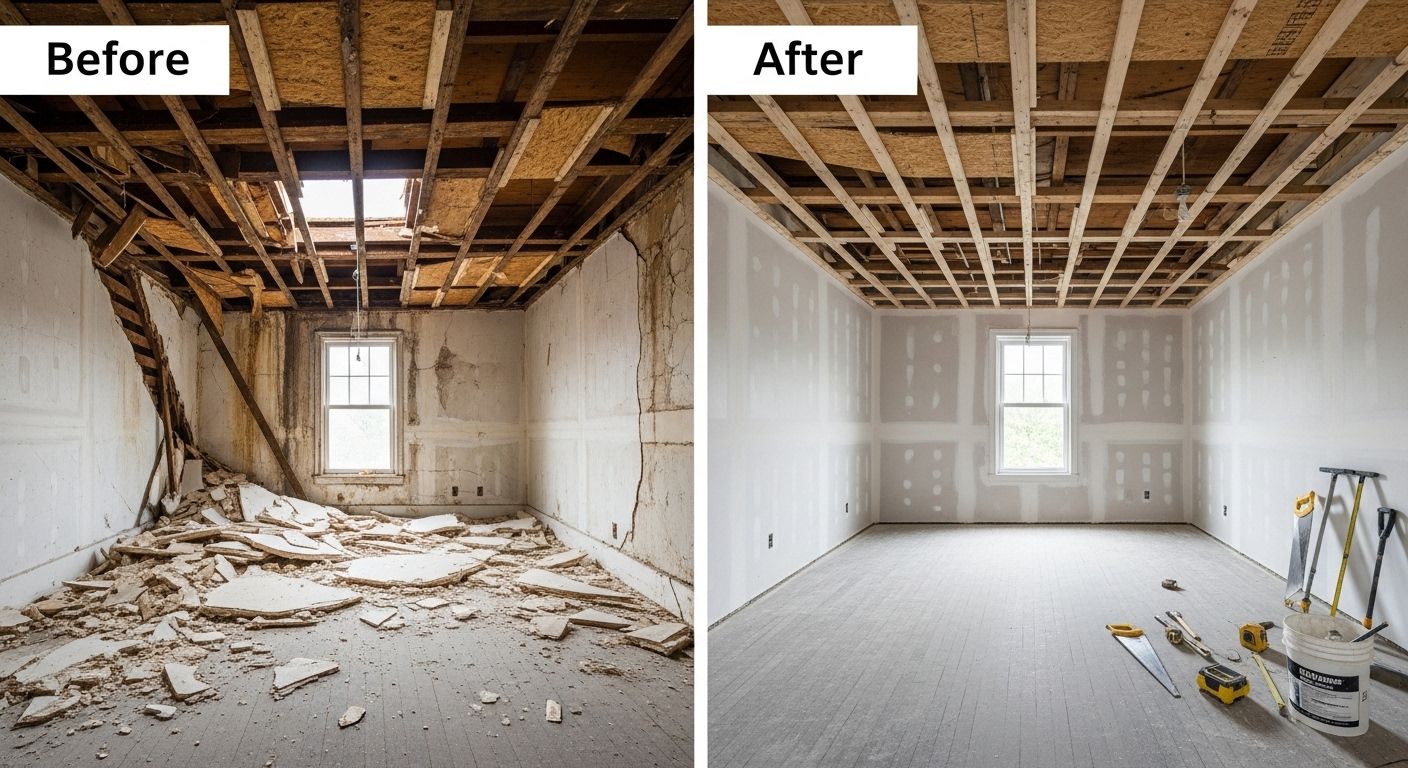
The same logic applies after any significant ceiling repair. Patching a water-damaged section, replacing a chunk of drywall, filling in cracks from settling — these repairs are rarely invisible. The patched area has different porosity than the surrounding surface, and paint alone will highlight the difference rather than hide it. Skim coating the entire ceiling, or at least the entire affected section, brings everything to the same level and the same texture so the repair disappears.
Old homes with plaster ceilings that have seen decades of patches, previous paint layers, and general wear are another strong candidate. If the plaster is structurally sound but looks like a map of everything that's happened to the room over the last century, a skim coat can restore it to something clean without the cost and disruption of full replacement.
You'll also encounter the decision when a remodel changes the visual expectations of a space. A kitchen that gets new cabinetry and countertops, or a living room that gets hardwood floors and better trim, suddenly has a ceiling that looks out of step with everything else. A smooth skim coat ceiling finish can bring the whole room into the same register without rebuilding it.
When it's overkill or the wrong tool
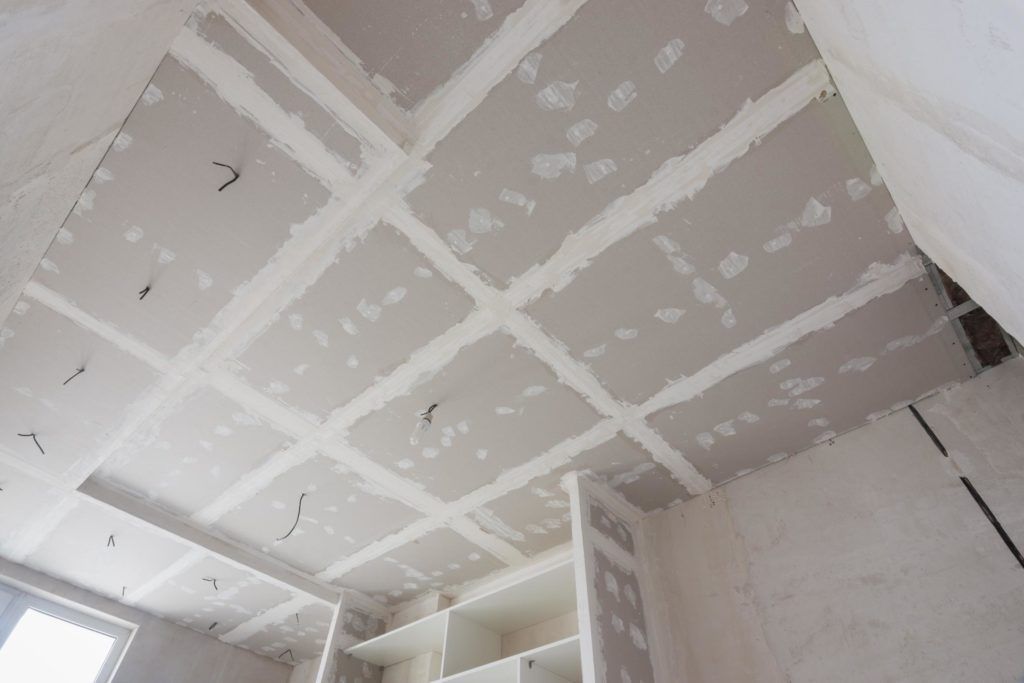
Skim coating a ceiling in good condition just because you want smooth is reasonable — but know what you're getting into. On new drywall that's been properly taped and finished, the drywall finish itself should already be smooth enough. Skim coating over a quality Level 5 drywall finish is mostly redundant.
It's also not the right call when the ceiling has structural issues — cracks that are still moving, water damage that hasn't been fully dried and repaired, or plaster that's delaminating from the substrate. Skim coat over an active problem and the problem wins. You'll see the cracks reappear through the new surface within a year, sometimes faster.
And if you're only dealing with a small patch, full ceiling skim coating may be more than the situation warrants. A well-feathered compound repair, properly primed and painted, can disappear into a textured or semi-smooth ceiling without resurfacing the whole thing.
The skill gap is real
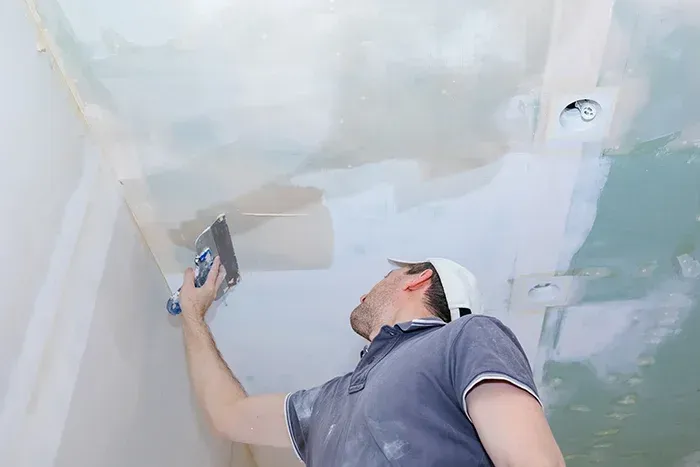
It's worth being honest about the difficulty. Skim coating looks deceptively simple — it's basically spreading mud on a ceiling — but getting it genuinely flat requires good technique, the right compound consistency, and usually some practice. Roller application followed by a trowel knockdown is more forgiving than a straight knife application for people newer to the process, and using a setting-type compound for the first coat under a finish compound gives you a harder base that's less prone to shrinkage.
If the ceiling is going to be lit by directional light or a large window that rakes light across the surface, any unevenness will be visible. In those rooms, hiring someone with real plastering experience is often worth it. In lower-stakes spaces with diffuse lighting, a careful DIYer can get good results with some patience and a willingness to sand between coats.
The goal with any ceiling finish is to stop noticing it. A smooth skim coat ceiling finish, done right, disappears completely — which is exactly what a ceiling is supposed to do.